






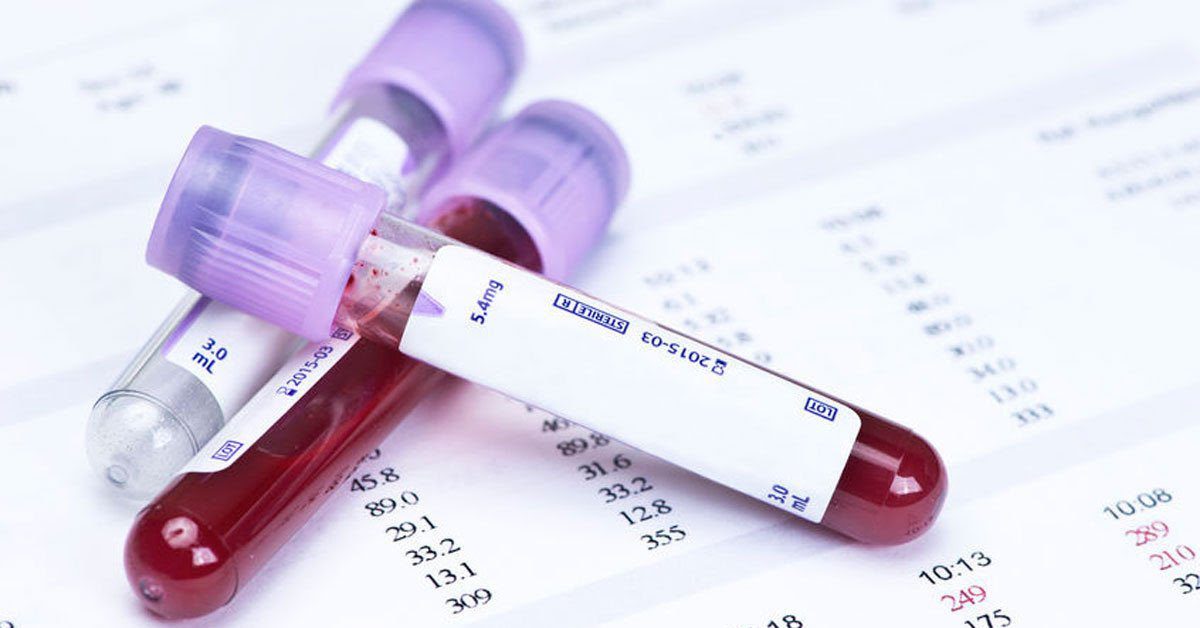
Understanding Your Options

This page is designed to help you make an informed decision about whether to have Non-Invasive Prenatal Testing (NIPT) and, if so, which level of screening is most appropriate for your needs.
NIPT can provide early, highly accurate information about your baby's chromosomes — but, like all screening tests, it has limitations.
What NIPT Can and Can't Tell You
NIPT can tell you
- If there is a higher or lower chance of certain chromosomal or genetic conditions (e.g. Down's, Edwards', Patau's, or sex chromosome differences)
- The baby's genetic sex (if requested)
- Risk of certain rare "microdeletion" syndromes (depending on test level)
- Whether triploidy (an extra full set of chromosomes) is present
NIPT cannot tell you
- Whether your baby definitely has a condition (diagnostic testing such as CVS or amniocentesis is required for confirmation)
- Structural abnormalities (e.g. spina bifida, heart defects)
- Most single-gene or inherited disorders
- How severely a condition would affect a baby's development or health
NIPT Test Levels and Coverage
You can choose the level of information that feels right for you. All options involve a simple blood sample and provide results in approx. 14 working days.
| Test Level | Conditions Covered | Typical Detection Rate | May Suit Parents Who… |
|---|---|---|---|
| Panorama Prenatal | Down's (T21), Edwards' (T18), Patau's (T13), Sex-chromosome aneuploidies, Triploidy | >99% for T21 | Want reassurance about the most common chromosomal conditions |
| Panorama Prenatal + | Core + DiGeorge Syndrome (22q11.2 deletion) | >95% | Would like to include one of the more common microdeletion syndromes |
| Panorama Prenatal Extended | Extended + Prader-Willi, Angelman, 1p36 deletion, Cri-du-chat | Variable (depends on condition) | Want the most detailed screen available for rare but serious syndromes |
Conditions That Can Be Screened by NIPT
Below is a summary of the conditions included in Panorama™ testing, using data from Natera and your clinic's information matrix.
Common Trisomies
Down Syndrome (Trisomy 21)
The most common chromosomal condition, caused by an extra chromosome 21. Associated with intellectual disability, distinctive facial features, and risk of heart and respiratory issues. With early support, individuals can live fulfilling lives. Click here for more information
Edwards Syndrome (Trisomy 18)
Caused by an extra chromosome 18. Leads to severe developmental delay, heart defects, and major organ problems. Most affected infants do not survive beyond the first year. Click here for more information
Patau Syndrome (Trisomy 13)
Caused by an extra chromosome 13. Causes profound intellectual and physical disabilities, cleft palate, heart defects, and extra fingers or toes. Often results in miscarriage or very short life expectancy. Click here for more information
Sex Chromosome Aneuploidy Panel
Sex chromosome conditions occur when there is a missing, extra, or incomplete copy of the X or Y chromosomes. The Panorama test can assess risk for XXX, XXY, XYY and monosomy X (Turner syndrome).
Turner Syndrome (Monosomy X)
Affects females when one X chromosome is missing. Causes short stature, infertility, delayed puberty, and possible heart or learning issues. With care and hormone therapy, most lead healthy lives. Click here for more information
Klinefelter Syndrome (XXY)
One of the most common sex-chromosome conditions. May cause tall stature, low testosterone, or fertility issues; many individuals are undiagnosed and live normal lives. Click here for more information
Triple X Syndrome (XXX)
Often mild or symptom-free. May include learning delays or taller stature, but most have normal development and fertility. Click here for more information
Jacobs Syndrome (XYY)
Males have an extra Y chromosome. Typically minimal or no physical or cognitive effects; may be discovered later in life during fertility testing. Click here for more information
Microdeletion Syndromes
DiGeorge Syndrome (22q11.2 deletion)
Missing part of chromosome 22. Can cause heart defects, immune issues, cleft palate, and developmental delay. Severity varies; early treatment improves outcomes. Click here for more information
Prader–Willi Syndrome
Caused by loss or duplication on chromosome 15. Features include low muscle tone, feeding issues in infancy, later weight gain, short stature, and intellectual disability. Click here for more information
Angelman Syndrome
Also linked to chromosome 15 changes. Causes severe intellectual disability, seizures, balance problems, and delayed milestones. Click here for more information
1p36 Deletion Syndrome
Missing a piece of chromosome 1. Associated with heart defects, seizures, and developmental delays. Symptoms vary in severity. Click here for more information
Cri-du-chat Syndrome (5p deletion)
Missing part of chromosome 5. Causes distinctive "cat-like" cry, low birth weight, small head, heart defects, and severe developmental delay. Click here for more information
Triploidy
Triploidy (extra full set of chromosomes)
A fatal condition where the baby has 69 chromosomes instead of 46. Usually results in early miscarriage. If carried to term, the baby is severely affected and does not survive long after birth. Detected only by Panorama™. Click here for more information
Understanding Your Results
NIPT results are reported as either:
Low Probability
The likelihood of the tested condition is very small.
High Probability
There is an increased likelihood; confirmatory testing (CVS or amniocentesis) is recommended.
No Result
Around 1 in 65 samples are non-reportable; a repeat test is usually possible.
You will have the opportunity to discuss your results with our experienced Midwife once your report is ready.
Support and Counselling
Our goal is to provide care that supports both your medical and emotional needs.
At Baby Scanning Boutique, we offer:
- Pre-test consultation — to ensure you understand what NIPT can tell you.
- Post-test support — to discuss results and next steps with sensitivity and care.
- Referral or signposting to external resources, including:
- Antenatal Results & Choices (ARC)
- NHS Genetic Counselling Services
- ISUOG Patient Information Hub
Key Terms & Definitions
Understanding some of the scientific terms used in NIPT can make your results and options much clearer.
Chromosome
DNA structures that carry your genes. Humans have 46 (23 pairs). Extra or missing chromosomes cause genetic conditions.
cfDNA (cell-free DNA)
Tiny DNA fragments in the mother's blood from the placenta, which reflect the baby's genetic make-up.
Fetal Fraction (FF)
The percentage of placental cfDNA in the mother's blood. Needs to be ≥ 4 % for accurate results.
Trisomy
Three copies of a chromosome instead of two (e.g. Trisomy 21 – Down's Syndrome).
Monosomy / Sex Chromosome Aneuploidy
Too few or too many sex chromosomes (X or Y). E.g. Turner (X0) or Klinefelter (XXY).
Triploidy
An entire extra set of chromosomes (69 instead of 46). Detected only by Panorama™.
Microdeletion Syndromes
Tiny missing DNA sections (e.g. 22q11.2, 1p36, Prader–Willi, Angelman, Cri-du-chat). Found in extended or comprehensive panels.
Prevalence
How common a condition is (e.g. Down's ≈ 1 in 700 births). Used to interpret results.
Accuracy Terms
Sensitivity: detects true positives.
Specificity: detects true negatives.
PPV: probability a high-chance result is true.
NPV: probability a low-chance result is true (>99.9 % for common trisomies).
Diagnostic vs Screening Tests
Screening tests estimate risk; diagnostic tests (CVS or amniocentesis) confirm it.
Genetic Counsellor
A specialist who explains results, discusses options, and provides emotional support.
Dizygotic Twins
Dizygotic twins, also known as fraternal twins, are two siblings who develop from two separate eggs fertilized by two separate sperm during the same pregnancy. They share about 50% of their genes, similar to any other siblings, and can be of different sexes. Unlike identical twins, dizygotic twins have their own placentas and amniotic sacs.
Types of NIPT screening test
SNP: A targeted approach focuses on specific genetic markers (SNPs) known to vary among individuals and between parent and child DNA
WGS: This method analyzes the entire genome for aneuploidies and other abnormalities. Provides a comprehensive evaluation of all chromosomes.
RCa: Amplifies fragments of cell-free DNA (cfDNA) by creating circular DNA molecules, which are then counted to detect aneuploidy
Ready to Learn More or Book Your NIPT Test?
Our experienced team is here to guide you through every step of your journey
Book NIPT Test Contact Us